
Why body doubling works for ADHD
Body doubling works by reducing the emotional load of task initiation. The presence of another person creates a gentle external anchor, which helps when your internal initiation system is inconsistent.
It is not about being watched. It is about co-regulation, predictability, and reducing the cognitive cost of "getting started" over and over.
A simple body doubling timer protocol
- Start checkpoint (2 minutes): each person states one concrete output for the block.
- Focus block (25 minutes): silent work with notifications off.
- Break checkpoint (3-5 minutes): confirm progress, adjust next micro-goal.
- Repeat 2 to 3 rounds: keep structure identical to reduce decision fatigue.
Body doubling fails when sessions become social calls. Keep check-ins brief and outcome-based, then return to silent work quickly.
Remote body doubling setup that scales
- Camera optional: voice or text check-ins are enough.
- Shared timer language: agree on 25/5 or 50/10 before starting.
- Session cap: schedule a fixed endpoint to prevent fatigue.
- Weekly consistency: same days and time windows improve adherence.
Using FocusFlow for body doubling
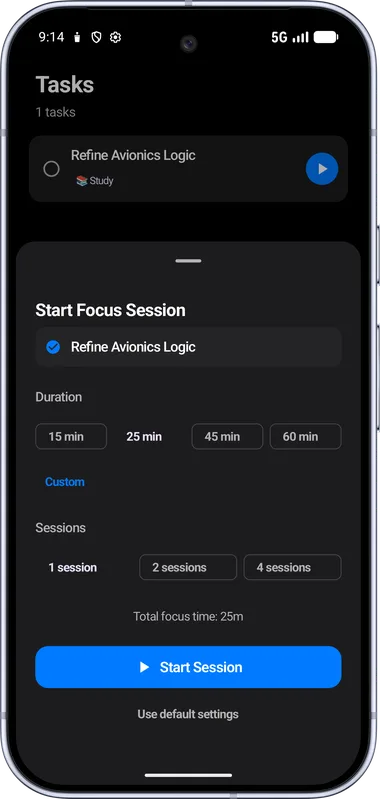
Use FocusFlow's visual timer as the shared session anchor, then keep each block outcome visible in your notes. If either person gets stuck, use Flow AI Coach for a fast next-step prompt without opening distracting tabs.
Try FocusFlow free on Android
Use the Lantern Journey timer, Flow AI Coach, and ad-free focus sounds in your next study session.

FAQ
What is body doubling for ADHD?
Body doubling is working alongside another person, physically or virtually, to reduce resistance and maintain momentum on hard tasks.
Do I need to talk during a body doubling session?
No. Silent check-ins are usually enough. Most effective sessions use brief start and end checkpoints with quiet focus blocks in between.
How long should body doubling sessions be?
A practical structure is two or three 25-minute blocks with short breaks. Increase duration only after consistency improves.